












We are not creators, but inspirers and witnesses
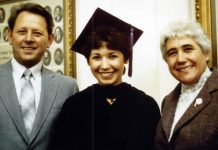
It is not we who educate our children, they educate themselves. Unique, complete, amazing. Every child and every childhood is a challenge to discover and respect their individuality. Let's enjoy the revelations they give us and grow ourselves by observing and facilitating their growth.

Antonyms will not exist forever
God is never the one to leave. He is the one who is abandoned. Even when Scripture describes Him as turning His face away, we understand that this is in fact the reluctant and painful recognition of man's decision to go beyond the point of no return in his relationship with God.

The tree that overshadowed the earth
"[Jesus] told them another parable: 'The kingdom of heaven is like a mustard seed, which a man took and planted in his field. Though it is the smallest of all seeds, yet when it grows, it is the largest of garden plants and becomes a tree, so that the birds come and perch in its branches.' He told them still another parable: 'The...

COVID-19 complications, during and after the disease
It will soon be two years since the virus known as COVID-19 started to roam around the world. The sad toll of this disease—over 5 million victims worldwide—is still incomplete, because we are far from seeing an end to the pandemic. It has been the largest public health crisis in the last century.

The path of renewal: from words that “ignite the wheel of life” to those that guard the soul
“The words of the mouth are deep waters, but the fountain of wisdom is a rushing stream” (Proverbs 18:4).

Family on 35mm film
We love stories, and Hollywood knows how to dramatise them. However, we should not lose sight of the fact that Hollywood is first and foremost an industry driven by ratings and profits. Children are more vulnerable and more likely than adults to pick up identity models from the film world.

The fragility of the good news about COVID-19 mortality
The mortality rate of COVID-19 remains high, but not as high as its transmission rate, and this good news needs nuances and explanations.

Upheaval in Afghanistan highlights the horrors of conflict
It’s hard to know where to begin when it comes to the situation currently unfolding in Afghanistan.
Everything about the person who can hold you back: A short essay about you
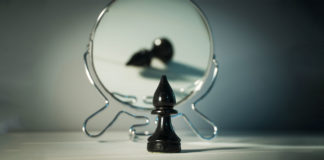
Albert Einstein didn't speak until he was 4 years old, and didn't read until he was 7. His parents thought he was mentally disabled, and one of the teachers described him as "mentally slow, unsociable, and adrift forever in his foolish dreams." He was expelled from school and denied admission to the Zurich Polytechnic.
We are more than we can easily explain
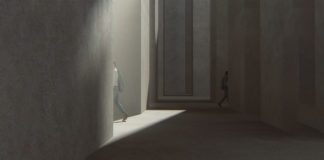
Suppose I leave the window open then leave home. A stack of banknotes can be seen on the table through the open window. An individual walking down the street notices the opportunity, thinks for a while, but decides to move on. Why would a man who has the opportunity to steal decide not to?

Pollution in our own homes is as dangerous as outdoor pollution
Air pollution is the greatest risk factor for both the environment and human health, according to the World Health Organization.

In the arms of the coach
What can you do in the face of a terrible diagnosis, which condemns you to life in a wheelchair? What can you choose besides despair or resignation? Kayla chose to run.

COVID-19: What if we received bad news in a void?
What if there was no good news to give us confidence that we could get through the troubles facing us now? What if there was no good news to assure us that we are cherished, loved and supported, that we are not alone?

Every week’s human rights day
Article 24 of the Universal Declaration of Human Rights is a counterpoint to the previous article in the Declaration that recognises the right to work and to do so in fair conditions. After affirming the human right to work, Article 24 reads, “Everyone has the right to rest and leisure, including reasonable limitation of working hours and periodic holidays with pay.” It is a...

The outside world and the bubbles in our heads
Plato may have been one of the first to think this way, but in modern sociology it was Walter Lippmann who made history with the idea that people do not have access to reality in all its complexity, but operate on images of that reality that they construct for themselves.