










Are COVID-19 vaccines safe? What guarantees the absence of compromise?
How was it possible to produce a vaccine against COVID-19 in less than a year, and what guarantees are there that there were no compromises in the process? What can we say about the COVID-19 vaccine's safety?

The written revelation
Why did God choose to reveal Himself through a sacred text? Were there no other ways? Does God still inspire scriptures today?

The Kiss of Judah | What remains after trust has been betrayed?
The first time Judas's kiss was heard was in the Garden of Gethsemane. However, its echo is repeated whenever the trust of an unsuspecting soul is betrayed. Betrayal, especially when it wears the mask of faith, tears apart the moral fabric of those who are wounded by it.

Some still believe in education
Is it worth fighting for a better world? Is it worth believing that, in a world relentlessly subject to the laws of entropy, hope, good thinking, beauty will still have the chance to develop and enrich our life horizon through education? Can tomorrow's world be better than today's, when everything we hear seems to be so catastrophic, and everything we do seems to...
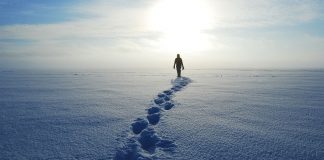
The meaning you find on your way back
In Western tradition, starting with Thales of Miletus, philosophers have always sought answers to questions that transcend the material, tangible world. One of the most burning questions that has lasted for centuries and has troubled many enlightened minds is the dilemma of the meaning of life.

A plea for leisure
"What is this life if, full of care, / We have no time to stand and stare." — from the poem "Leisure" by William H. Davies.
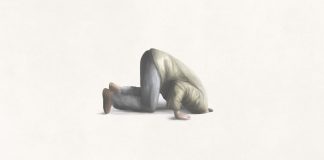
From hostages to fear tamers
“Am I still human if I’m afraid?” The question asked by a well-known fictional character can be the starting point for reflecting on how we learn to live with our fears.

Love does not give up
We love people for who they are. But there is a kind of love that is too high for us to truly comprehend in all its nuances, a love that manifests itself towards people no matter who they are or what they become. We find a love such as this in the beautiful story of Ian and Larissa.
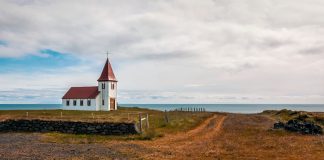
The courage of freedom
“It was as if I were living in a fairy tale. And the most wonderful part was that I knew—hard as it may be to believe—that the story was true. None of the hardships of imprisonment touched me. The fear of the unknown no longer unsettled me, nor did the fact that, three days after my arrest, no one had yet called me...

The eternal illusion of the fundamental secret
One of the mind’s most pleasant and, at the same time, most tormenting occupations is to dream of a better life. How many times have we tried to generate a change for the better by means of a new purchase, new friends, new house, new job, new relationship or other ideas for a fresh start?
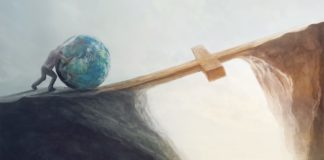
COVID-19: Could giving up ever be the key to success?
Pray! If not to God, then to a god. Admit that we are defeated, because this is the first step towards victory.

COVID-19: A sad opportunity for the homeless
The prevailing message in the context of the pandemic was clear, but also disturbing: "Don't go out! Stay home! Work from home!" But what about those who do not have a home?

Ice cemeteries: A market for resurrection, from metaphysics to physics
"Most of us now living have a chance for personal, physical immortality." This is the sentence French biologist and philosopher Jean Rostand (son of the writer Edmond de Rostand) used to begin the preface of a book on cryonics, The Prospect of Immortality, by the physics professor and science fiction writer Robert C. W. Ettinger.
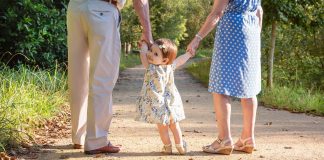
Don’t have grandkids? Get some! | The surprising perks of being a grandparent
Grandparents who play an active role in the lives of their grandchildren enjoy a range of health and well-being benefits—including, according to research, a longer and happier life.

Knowledge sharing in Christian communities
Whether we are cooking, repairing things, or solving life's problems, we are always learning from each other. However, when it comes to certain areas, including church life, the interchange of experiences is lacking. Communities often keep their ideas, and especially their mistakes, to themselves. Can we rediscover the deeply biblical nature of knowledge sharing?