




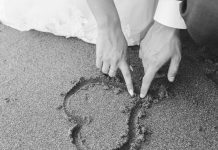









The original meaning
Before I started looking for the meaning of life, I thought I had already found it. Or, that it had been given to me. In the world I came from, the road was clearly laid out. My life's major events were all mapped out, and precious little was negotiable.

Ship your grain across the sea…you may receive a return
When we help someone without expecting anything in return, we often forget both the recipient and the gift. But God does not forget, and fulfils—at just the right time—the promise found in the verse that provides the title of this article. He did the same in my case.

Too many or too greedy? An answer to global overpopulation
"The battle to feed all of humanity is over. In the 1970s and 1980s hundreds of millions of people will starve to death... It cannot be overemphasised, however, that no changes in behavior or technology can save us unless we can achieve control over the size of the human population." Despite seeming to come from a dystopian novel, these ideas belong to biologist...
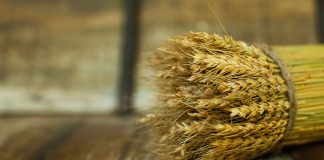
Gold medal for fourth place
The Parable of the Sower appears to be the key to understanding all the other parables told by Jesus. It is neither mysterious nor cryptic; it simply provides a starting point. The apostles and all those who read the parable today are asked by Jesus Christ: "Don't you understand this parable? How then will you understand any parable?" (Mark 4:13). The logical conclusion...

Gentle parenting and the illusion of perfect choices
Gentle parenting—how did this seemingly wholesome phrase come to elicit such strong negative reactions as contempt, sarcasm, and condescension?

COVID-19: How can we transform the crisis?
Tens of thousands of articles about the new coronavirus crisis are filling news outlets around the world these days. What is the crisis, how we go through it, what to do, how to do, when to do it etc. Only one thing seems certain these days: our uncertainty about the future. We would prefer an authority to go out in public and tell...

I’m the only one who can solve my problems: True or false?
The problems that arise in our lives are nothing more than cognitive obstacles that we don't immediately have the skills to overcome. The most important question when we get stuck is: do I ask for help or do I solve my problems myself?

When your child has a meltdown
Children have big feelings. Even worse, children have big feelings over what seem to be rather inconsequential things.

How to think outside the box
"Happiness is not in the mere possession of money; it lies in the joy of achievement, in the thrill of creative effort." (Franklin Delano Roosevelt, US President)

What I wish I knew about God in my 20s | Reflections, testimonies, and suggestions
There is a poignant poem by the young Nicolae Labiș, a profound thinker and visionary who tragically passed away at the age of 21, that warns of the danger of wasting one’s life.

The little secret that carries us further
The TV-series Friends was recently reviewed in The New York Times as “enormously easy to watch”. This characteristic however does not make the show unique, nor can it account for its popularity today, more than 15 years since its final episode.

The gospel of consumerism: How shopping became our church
"When I could not decide between two shirts, they encouraged me to buy both." This is a line from the postmodernist novel "White Noise", written by Don DeLillo. This way of thinking encapsulates one of the defining features of consumerism: the idea that more is better.
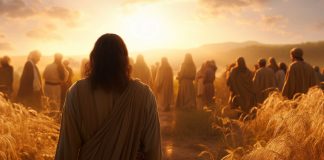
Jesus: a detailed portrait | A review of The Desire of Ages by Ellen G. White
During her lifetime, the Christian author Ellen White published over 5,000 articles and 40 books. Today, over 100 titles comprising the author’s 50,000 manuscript pages are available in English.

Tomorrow is today
What I need now is stability. And that can only come through sacrifice. That's what I've heard and that's what I’m doing. My family? It can wait—dear ones, too. The little joys of life? Who has time for that? I'm still waiting.

Sleep myths busted
There are a number of beliefs and practices around sleep that have been created and followed by many people, but which science has shown to be false and even dangerous for those who follow them.