









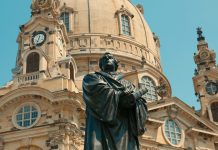




Visible and invisible chains
"Man is born free but everywhere is in chains." (Jean-Jacques Rousseau)
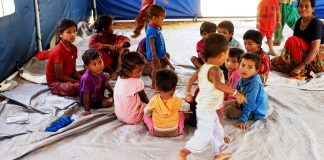
Plight of a refugee
He was only seven when the war started. He used to spend his time “running around and playing with my mates,” and then one day, the houses in his town started burning down and neighbours would go missing. His parents told him to stay indoors.

COVID-19: The new mirror in which we look at our parents
How can we encourage the elderly during this time? How can we help them understand that we don't want to lose them and that, although it's hard for them, we didn't abandon them. I have an elderly mother and, honestly, it would help me a lot. Can you write for me?

The final days of history
Virtually every civilization has been characterised by religious beliefs about the end of all things, not least about the timing and the conditions that precede the end, and signs of its imminence. There are many differences between these beliefs across civilisations, but many similarities too.

God, armed violence and genocide
One of today's dilemmas disputes, dialectically, the complex reality of the Bible and the secular way of looking at the "terror of history": Is God a source of morality superior to humanism, or not?
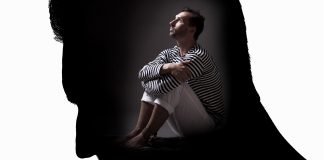
A shield against decline
Regardless of how dramatic a life's collapse may be, God’s love has the power to heal it. This was the simple yet shocking message with which a Christian community confronted the wave of crime in the city’s most violent neighbourhood.

The little secret that carries us further
The TV-series Friends was recently reviewed in The New York Times as “enormously easy to watch”. This characteristic however does not make the show unique, nor can it account for its popularity today, more than 15 years since its final episode.

Judge and jury
I once served on a jury and, to my surprise, was voted foreman. The accused was charged with manslaughter, a serious crime with quite a harsh penalty; while driving an aged-care minivan filled with pensioners, he’d hit and killed a pedestrian. The defendant was a facility volunteer who had been taking a group of pensioners shopping. His vehicle collided with the deceased in...

I’m the only one who can solve my problems: True or false?
The problems that arise in our lives are nothing more than cognitive obstacles that we don't immediately have the skills to overcome. The most important question when we get stuck is: do I ask for help or do I solve my problems myself?

“Love yourself” | How biblical is the concept of self-care?
Widely discussed in recent years, the term self-care generally refers to focusing on the needs and goals that contribute to our well-being. “Love yourself!” has become the motto of this “ultimate form of self-care,” which some Christians see as a stepping stone toward loving and caring for others. But just how biblical are the ideas of self-love and self-prioritization—concepts so deeply woven into...

The second reason to forgive: the “Justice” you refuse to let die will not let you live
Following several surveys (1988, 1991, 2009), the Gallup organisation revealed both good news and bad news. The good news is that 94 percent of people believe forgiveness is very important. The bad news is that 85 percent admit they are not ready to do it on their own.

How disposable are you?
How do we value a human’s life? Should we rate lives on their value to their community? That would mean a life-saving surgeon would have more value than someone living on the street. Or is it potential—which would make a baby more valuable than a 50-year-old? What about the value we place on those later in life versus those at the end?
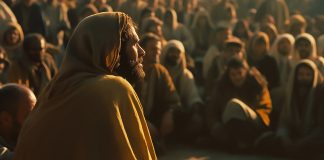
Jesus also loved…
"History shows how surpassingly difficult it is for Christians not to forget Christ," says Professor Chris Green. Forgetting does not mean losing sight of His existence, but rather losing sight of His way of being, His values, and His way of relating to those around Him.

The search for meaning
In The Simpsons episode entitled “Homer the Heretic,” Homer Simpson has a conversation with God.

The diamond with 1,000 facets | Aspects you didn’t consider when reading the biblical account of creation
Born in Africa, at the crossroads of three cultures—Arab, French, and Jewish—Jacques Doukhan was raised in a Jewish family. At the age of 18, he discovered the Christian gospel and became a Seventh-day Adventist, rejoicing that he did not have to renounce his roots in this church. Like Jews, Adventists observe the Sabbath and "share the same life ideals", explains Dr Doukhan.