











Did the Chauvin trial bring justice for George Floyd?
Last week brought about the guilty verdict in the trial of George Floyd’s murderer, Derek Chauvin, causing the topic of justice to once again become a contentious issue for many people around the globe.
What does Philadelphia look like and where can we find it?
“Go instead to my brothers and tell them, ‘I am ascending to my Father and your Father, to my God and your God’” (John 20:17).

COVID-19: A world beyond all human tragedies
Should we be optimistic or pessimistic about our future? This is a question even specialists are concerned with, and it cannot be answered easily. It is difficult to predict what the future holds.

COVID-19 and the great question: Why?
The danger of the novel coronavirus has given us pause to reflect. As Christian believers, apart from praying, we are expected to examine and question our beliefs in this time, and to seek answers which are rooted in the perspective of the Holy Scriptures.

The end of drugs?
In mid-April 2014, the words 'scandal', 'secret', 'drugs', and 'Roche' (the Swiss drug giant) delighted the medical press, which was quick to publish tantalizing news about the ineffectiveness of Tamiflu and the enormous amounts spent by governments in order to stock up on the drug, in preparation for possible flu epidemics.

“He wrote our story”—but not in the way they had hoped
Their third wedding anniversary was just around the corner, but doctors had given Magda, belatedly diagnosed with Ewing's sarcoma, a malignant bone tumour, no chance of recovery. Yet her husband Daniel continued to believe that God still had the last word.
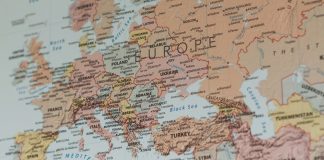
Decoding the EU’s place in Bible prophecy
Europe is more divided than ever. What does that mean for our reading of biblical prophecy?
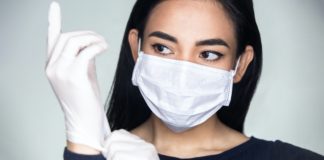
COVID-19: Why and how do masks, gloves and other protective equipment help?
I leave the house with gloves and a mask on. When I return, I clean my shoe soles and I wash my gloves with disinfectant. Then I take off my clothes, place them somewhere outside, take off my gloves and mask and wash my hands. Is this normal? Or am I a germophobe?

The gift that does not wait for a special day
Although poverty remains a part of our world, love still works wonders.

Indian soul night
One night, thousands of miles apart, two young women of the same age made a decision—a seemingly trivial one, but one that would seal the fate of one of them.
Why I am a Christian
To believe is not to close one's eyes to questions or to abandon reason in favour of illusory spiritual comfort.
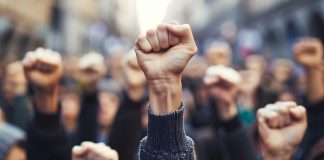
Every week’s human rights day
Article 24 of the Universal Declaration of Human Rights is a counterpoint to the previous article in the Declaration that recognises the right to work and to do so in fair conditions. After affirming the human right to work, Article 24 reads, “Everyone has the right to rest and leisure, including reasonable limitation of working hours and periodic holidays with pay.” It is a...
The Methodist Church | Methodism in search of holiness
The Methodist Church emphasised practical sanctification and mission, these aspects being necessary in contemporary Christianity as well.

Foreshadows that illuminate | How Christ was known before the incarnation
The Passion and Resurrection of Jesus Christ—or the Christian Easter—stand out distinctly in the crowded landscape of global religious beliefs and ideas. No other religious tradition contains the concept of a divine person offering Himself as the unique and sufficient mediator through whom God draws near to humanity, and humanity draws near to God.

For a clear conscience we must drive away negative thoughts. True or false?
There is a huge volume of literature, in bookstores and online, which contain recommendations for a more enjoyable life, in accordance with the hidden skills of each one of us. One of the great secrets put forward is freeing the mind from all negative thoughts.