










COVID-19: Excerpt from a diary on the Great Britain front
Noemina is a graduate of the University of Hertfordshire, UK, where she majored in health care. She is working in her field as of 2012. The journal excerpt she sent to us reflects her week-long experience at the epicentre of the battle with the new coronavirus in the intensive care unit, where serious cases are admitted.
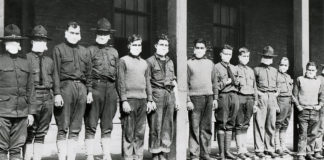
Spanish flu to COVID-19: Lessons from a forgotten pandemic
The Spanish flu filled graves in almost every cemetery in the world. However, surprisingly, this tragedy had largely been forgotten until recently. A century later, the issue returned to the centre of attention, with specialists wondering if they can identify a pattern in the evolution of the COVID-19 health crisis based on the pandemic from a century ago.
Daily habits for a good memory
It happens to all of us. We misplace the keys, forget a phone number or where we put our reading glasses. With age, such things happen more often, whether we like it or not. The good news is, our brain continues to produce new cells regardless of our age. Therefore, it is possible to have a good memory despite the aging process.

Vaping: a plague disguised as a revolution
In developed countries, where the public debate on tobacco consumption has been so widespread that even those who had no desire for it were educated on the negative effects of smoking, the prevalence of this toxic habit dropped so drastically that it caused trouble for cigarette manufacturers.
COVID-19: Which end is The End?
As the crisis caused by the new coronavirus deepened and spread, it was to be expected that the phenomenon would be framed in apocalyptic terms. It is something that tends to occur in such contexts.
How to deal with daily pressure and overcome stress
Stress and anxiety are some of the most commonly used words today; we all have felt at least once in our lives what they mean and what effects they have. Are there any truly effective ways to overcome stress and anxiety?
A rapid test concerning COVID-19 and religious freedom
At the heart of Religious Liberty is the issue of worship. Religious Liberty is the freedom to worship according to one’s own conscience.

COVID-19: Recurrent revelations
Any large-scale phenomenon, such as a pandemic, activates our instinct to preserve our state of being—especially when we feel like we are losing it.

Family crisis does not wear a mask during a pandemic
Many families who feared that the new coronavirus would affect their health ended up dreading its effect on something seemingly even more difficult to protect: the well-being of their relationship.

Ten reasons you always feel tired
Most of the time, we tend to blame lack of sleep for our permanent fatigue. Yet other causes should be factored in, too. Addressing them could help us avoid or treat our constant feelings of tiredness.
An impossible inventory of the most widespread fake news about COVID-19
The epidemic of false information in this worldwide pandemic is even more infectious than the virus itself. Fortunately, there is a vaccine for this epidemic of fake news: quality information and information filters. However, not everyone has been vaccinated. Here is an immunization effort.

Low-carbohydrate diets may shorten lifespan
A diet based on significantly reducing the amount of carbohydrates on your plate can reduce life expectancy by up to 4 years, according to a study published in The Lancet Public Health.
COVID-19: What do we do after the relaxation of restrictions?
After the authorities in different countries announced a relaxation of the restrictions, people started to impatiently waiting for that, maybe even with plans to recover last bits of a confiscated spring.

Is sugar the most dangerous drug?
While few people can remember the details of their first hit, everyone can identify with the rush of satisfaction, the tingling delight that starts on the tip of your tongue and then courses through your entire body.

COVID-19: A certain God in an uncertain world
“If anything kills over 10 million people in the next few decades, it’s most likely to be a highly infectious virus rather than a war — not missiles but microbes. We are not ready for the next epidemic” – these were the words Bill Gates said at the beginning of his speech at TED Talk conference on April 3, 2015.