














The illusion of the ideal calcium source
It is widely accepted in popular belief that animal products are the ideal source for maintaining bone health. However, a study published in the US Journal of Nutrition found that populations consuming large amounts of calcium and protein from animal sources had a higher rate of hip fractures (Hegsted, 1986).

Health begins with accurate information
A healthy lifestyle starts with acquiring information properly. In a world flooded with information, patients are often confused and overwhelmed by conflicting nutritional recommendations and spectacular promises about proposed diets. In this context, it is essential to assess the validity of information using well-established criteria.

Depression also affects Christians
The stigma surrounding mental health issues causes many Christians to hide their conditions, resulting in an epidemic of depression, even among pastors, says Sheila Walsh, a Bible professor and internationally renowned speaker.
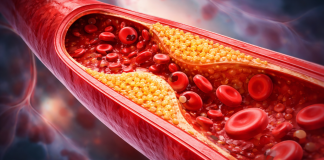
The question of cholesterol-containing foods
Dwight D. Eisenhower, a former US president, had a heart attack at the age of 64. Later, despite his cholesterol levels being within the normal range, he adopted a low-fat diet. However, despite the diet, he gained weight and his cholesterol levels rose, calling the effectiveness of the diet into question.

Taste and health in moderation
Salt is essential for bodily functions, but it should be consumed in moderation.

Detoxification through the body’s own resources
In antiquity, rituals were used to purify both spirit and body. With advances in technology and the refinement of marketing techniques in recent decades, the idea of purification has been revived in the form of “detoxification,” a concept that capitalizes on people’s fears related to pollution, unhealthy diets, and sedentary lifestyles.

Sweet killer
In 1980, the World Health Organization estimated that there were 108 million people with diabetes. By 2021, the International Diabetes Federation database reported 537 million people with diabetes between the ages of 20 and 70, with projections of 643 million by 2030 and 783 million by 2045 (IDF Diabetes Atlas).

Sweet and bitter calories
Although all calories provide the same amount of energy, they are not equal in terms of their nutrient content or the way they affect the body.

The lesser-known story of fats
For decades, fats have been considered unhealthy and have been associated with an increased risk of cardiovascular disease. However, recent research has revealed a more nuanced picture.

Dietary supplements: a surprising revelation
By 2030, the global dietary supplements market is projected to surpass US $327 billion, according to Grand View Research (2023). But do these soaring numbers reflect real, measurable benefits—or simply growing consumer enthusiasm?

Illusory benefits at a high price
There is a widespread perception that dietary supplements are necessary for everyone because our diets are generally thought to be unable to provide everything we need to meet the demands of everyday life. It is also commonly assumed that taking various dietary supplements will help us live longer. Unfortunately, rigorous scientific evidence does not support these beliefs.

Food allergies
Millions of people live with food allergies. Chances are, you are either one of them or know someone who is. According to the Centers for Disease Control and Prevention, food allergies affect 4–6% of children and about 4% of adults (Cosme-Blanco, Arroyo-Flores, and Ale, 2020).

Sweet and good—but only in moderation
Honey has a highly complex chemical composition that varies depending on the botanical source from which bees collect nectar. Throughout history, it has been valued both as a food and as a medicine.

What the body does with plant proteins
In reality, the human body, like that of many powerful animals—from horses to elephants—is perfectly capable of extracting and using protein from plant sources....

An essential duo
Focusing on healthy eating while overlooking physical activity is not so much a myth as an uncomfortable truth that many of us prefer to ignore. Yet the rapid rise in sedentary lifestyles and metabolic diseases, with their harmful consequences for both individuals and society, is difficult to ignore.