







“Miracles” | Book review
"Miracles"[1] is one of C.S. Lewis's most cherished works of apologetics. In an age when belief in miracles seems somewhat anachronistic, this book is all the more important.
The big impact of small acts of kindness
An unexpected act of kindness can change a day—whether you are on the receiving end or the one who initiates it. And that change can echo far beyond a single day, because when measured by their effects, acts of kindness are never truly small, despite the language we use to describe them.
Why should you tell your friends your secrets?
In 2004, Frank Warren, an American businessman, had "a crazy idea," as he himself describes it. He printed 3,000 postcards, wrote his address on them and a series of instructions, then left space on the back for the sender to write secrets they had never shared with anyone before.
Lessons on God’s love from parenting
I was standing in the supermarket queue, pushing my daughter in her pushchair, when a man well past his prime wearing camouflage trousers gave her a long look. Then he turned to me, as if continuing a conversation about parenting we'd started long ago, and said, "You know, this little girl is going to heal a lot of things in you."

Why do our parents believe fake news, and what can we do to help them?
The misinformation crisis affecting older adults is real, well-documented and growing. Here's what the studies say about how to tackle it.
Spoiling is not love
Being a parent means, among other things, engaging in agonising negotiations to keep the supermarket aisles relatively quiet and the shopping trolley from overflowing with sweets. Some are successfully concluded. Others, a real failure. Although we are very adept at recognising a spoiled child on the street, we have a much harder time spotting the signs in our own children. After all, what...
The self-esteem movement and the unhappiness of a generation
They say self-esteem is a vital ingredient for success in life. But what if everything we were taught about self-esteem is wrong?

Friendship, rarer than love? | Friendship and honesty
Romantic love is easily hurt and somewhat pretentious, especially when faced with direct honesty. Friendship is more solid.
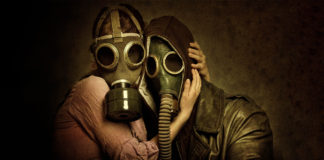
How to manage a toxic relationship | Friendship and boundaries
Walking with a friend in darkness is better than walking alone in the light, writes Hellen Keller. But what if darkness permeates the entire relationship?
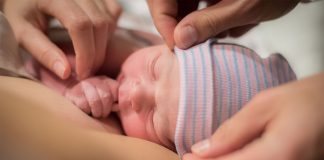
Do children ruin marital happiness? How to manage the changes generated by the birth of children
Describing the breakup of her marriage after the birth of her children, journalist Nora Ephron writes that a child is a grenade for the couple’s relationship. After the explosion, when the dust settles, “your marriage is different from what it was. Not better, necessarily; not worse, necessarily; but different.” [1].

Jealousy, the enemy of a balanced relationship
Whether seen as a sign of true love or of a lack of trust in one's partner, jealousy is a range of states and behaviours attributed to romantic relationships. In reality, it also appears in other types of interactions, revealing the inclinations of the person who feels it, but also the quality of the relationship that generates it.

How to grow together with God
We’d been married only a few weeks when we discovered that growing our spirituality as a couple was going to be much more complicated than the instructions on the packet suggested.
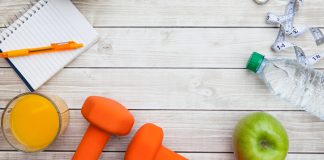
Temperance: the lost virtue
Temperance was once upheld by philosophers, saints and stoics. In a world dominated by indulgence, its call to balance feels more relevant than ever.
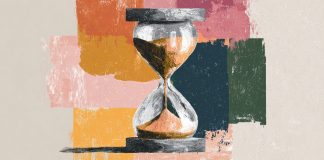
Remedies for “immediatism”
We live in an era defined by speed, where everything, from information to personal gratification, seems to be just the push of a button away.
Book review: Juice
In my humble but literary-educated opinion, Tim Winton is Australia’s finest living novelist. Since winning publication of his first novel in a competition for young writers in 1981, he has had 10 more novels published, as well as collections of stories, plays, books for younger readers and a handful of non-fiction works. Winton has won Australia’s top literary prize—the Miles Franklin Award—on four...