














Solving the World Cup puzzle
If there was a theme that could be attributed to the 2022 World Cup more than any other, it’s “murky ethics”. If you’ve got mixed feelings about this year’s edition of the prestigious 92-year-old tournament, you’re likely not alone.

Moesha Johnson’s Olympic miracle
In the choppy waters of Port Doha, Qatar, things weren’t looking good. Moesha was midway through a 10-kilometre open water race in the World Championships. This was her chance to qualify for the Olympics. But she was trailing behind a pack of thirty girls and had been for much of the race.

The Shakahola massacre | The apocalypse that brings psychosis instead of hope
More than 300 bodies have been found in a Kenyan forest and at least 600 people are missing. The victims, including children, belonged to an apocalyptic cult that carried out a plan of mass suicide by starvation. The shock of the Shakahola massacre has reverberated beyond Kenya's borders, raising disturbing questions, including how the message of Revelation, part of the good news of...

What is the link between religion and conspiracy?
In the famous realist novel A Journal of the Plague Year, Daniel Defoe blends the factual with the imaginary, describing the social context just before the great plague struck London in 1665. Among the reactions described, two straddle the line between religion and conspiracy.

Time robbers and masters of time
How did the phrase “time is money” come to steal the true meaning of time? Time is not money, it is life.

(Un)Interesting sermons and the forgotten art of listening to the Word
If we were asked how many of the thousands of sermons we’ve listened to in a lifetime were truly memorable, the answers might not be too encouraging for those called to share Scripture. Equally challenging, however, remains the way we prepare to be good listeners of the Word.

“You have to give up being human to endure and survive” | Life in the North Korean prison system
Rape, torture, extrajudicial executions, and starvation are common practices in the North Korean prison system, dehumanising detainees to the point where they believe they deserve this treatment, according to a report published by a human rights monitoring body.

Is Christianity merely an emotional experience?
"Yes, we eat grass and we're proud of it because it demonstrates that, with God's power, we can do anything," is the statement and belief of young Rosemary Phetha as reported in TimesLIVE.

One lottery ticket and an unexpected ending
Whether we admit it or not, our lives are conditioned by money—mostly by the lack thereof. There are few who manage to snatch themselves out from under its spell, and even fewer who want it just to be able to give it away. Among the latter is Rachel Lapierre.

The inexhaustible Jesus
I am captivated and deeply impressed by Jesus's perspective on life and the world. He did not seek popularity, did not pursue power, and did not promote revolution. He did not rely on strategies and did not do politics. He did not come to criticize, He did not build His authority on the backs of other people's weaknesses, and He did not come...

Appeal to hypocrisy: the trick of pointing the finger
When one wants to justify the harm one has done by saying that others have done the same or that this evil was only a reaction to the harm done by someone else, they commit the logical error of appealing to hypocrisy.

COVID-19: Those who “would have died anyway”. How much is a human life worth?
Discussions about the reasonable number of deaths in a pandemic, about whether or not the price for saving people is killing the economy and, ultimately, debates on a life’s value were brought to the fore by the COVID-19 pandemic.
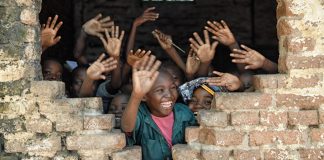
Joy amid poverty
Poverty and laughter don’t necessarily go hand-in-hand. People who are worried about where their next meal will come from or where their children will sleep that night find it hard to wear smiles.

Misunderstood attitudes of parents | How I came to understand myself
When I became a parent, someone told me that I would learn to be a child. However, I was determined to be more of an adult than ever and not repeat attitudes that I considered wrong, including those of my parents.

Mind over matter
I was a sickly child. If I wasn’t catching a humble cold, it was something more exotic, like whooping cough or bronchitis.