














What is the value of patience in a world of passions?
Global warming, plastic pollution, antibiotic-resistant superbugs, extreme weather events, artificial intelligence, global resource depletion, social inequality, the proliferation of social media abuse and manipulation through fake news, the resurgence of political extremes with racist and nationalist overtones—these are some of the "signs of the times" that are analysed in the media as elements that could each cause radical changes in society. But why...

What’s growing on your family tree?
From a distance, it looked like a simple picture of a tree: nothing very artistic—more of a sketch in subtle shades of brown and green. But as I looked closer I noticed something unusual. The tree had been constructed out of words and phrases. Someone had collected snippets of information about their family and their ancestors, and written it down to form the...
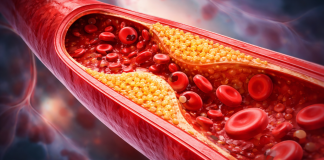
The question of cholesterol-containing foods
Dwight D. Eisenhower, a former US president, had a heart attack at the age of 64. Later, despite his cholesterol levels being within the normal range, he adopted a low-fat diet. However, despite the diet, he gained weight and his cholesterol levels rose, calling the effectiveness of the diet into question.

The most arrogant of all sophisms: the false accusation of logical error
In practice, people often accuse each other of making logical errors, but sometimes the accusation is false. Such an accusation is made by someone who does not understand what logical fallacies are and how they work, or by a manipulative person who takes advantage of the ignorance of those in the first category.
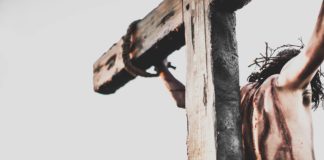
The opposite of love is not hatred (part 1)
For centuries, the sacrifice of God the Son and the divine plan for man’s salvation have generated several dilemmas and raised more questions than we could imagine. And the answers that have been found have revealed more implications of the cross than we used to believe, whether we are Christians or non-Christians, believers or skeptics.
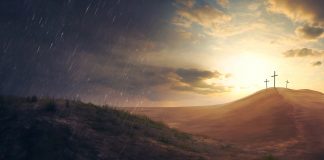
The foolishness of the message of the cross
“God was pleased through the foolishness of what was preached to save those who believe” (1 Corinthians 1:21).

The fight against cancer is a silent fight in the pandemic
The costs of the COVID-19 pandemic are easy to quantify, but not easy to pay. In fact, in some situations, this is even impossible. Cancer patients are showing it undeniably. According to a study published on May 10th, 2021 by the European Cancer Organization (ECO), throughout Europe, health systems have been overloaded, due to a large number of COVID patients. Consequently, dysfunctions in...

Don’t say I haven’t told you so…
During my adolescence, a Swiss author, Erich von Daniken, made waves with his theories about extra-terrestrial influences on early mankind. His most important book was called Memories of the Future. Of course, his ideas have no support today, but the idiom remains: memories of the future. Something from the past says something about what is to come.

The business of menopause
For a long time, menopause has been a taboo subject. However, in recent decades, two things have changed simultaneously: women have started talking openly about their experiences, and companies have spotted an opportunity.
The love that heals
In this article, we want to evaluate more closely the implications of love. How does love help us, how does it influence us, how should we show it to those around us, and how should we receive it?

“When doctors don’t know what to do, it’s time for alternative medicine.” True or false?
When it comes to cases where "doctors don't know what to do," the first thought that comes to mind is usually cancer. Conventional treatment, which can prolong life for a few years and sometimes just a few months, comes at a high price in the quality of life, and patients come to prefer the "natural" way: alternative medicine.
He believes and what he believes comes into being
Very few people have ever found rest in what they are and what they do. They are always seeking what they do not have and trying to become what they are not. These people talk about transformation, development and fulfilment but no matter their accomplishments or status, they are always thinking that they need to surpass their present state, that there is something...

I’m the only one who can solve my problems: True or false?
The problems that arise in our lives are nothing more than cognitive obstacles that we don't immediately have the skills to overcome. The most important question when we get stuck is: do I ask for help or do I solve my problems myself?

The road forwards that actually goes backwards
I am visiting two sick people who share the same terminal illness. Their suffering is increased by the fact that they are brothers and that a mother’s broken heart lies at the core of it all. One of them is a businessman. The other, a servant of the altar. Their mother’s greatest frustration is that her wish to take some of the suffering...