














COVID-19 vaccines safety: Does it take decades to get the answer?
Do we need to wait for the results of longitudinal scientific studies, extending to decades, to know if vaccines are safe?

Taking our fears to God
What feeds our fear in times of crisis, such as this pandemic we are in? How can we avoid letting fear paralyze our search for information and our ability to make the right decisions?

Grieving in the Time of COVID-19
11pm and I am worried my patient will not make it till tomorrow morning, says Dr Glenn Wakam. Twelve hours after intubation, the COVID-19 patient's condition deteriorates dramatically, and Wakam knows that an even more difficult intervention follows: to explain to the patient's wife, who begs to be allowed to say goodbye, that the hospital does not allow her this sad privilege.

An impossible inventory of the most widespread fake news about COVID-19
The epidemic of false information in this worldwide pandemic is even more infectious than the virus itself. Fortunately, there is a vaccine for this epidemic of fake news: quality information and information filters. However, not everyone has been vaccinated. Here is an immunization effort.

COVID-19: What people on the front line think and feel
While most of us have been staying inside for several weeks, many leave the safety of their homes every day to help us live our lives as normally as possible.
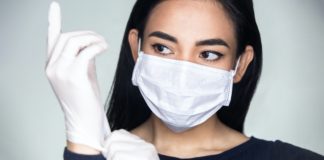
COVID-19: Why and how do masks, gloves and other protective equipment help?
I leave the house with gloves and a mask on. When I return, I clean my shoe soles and I wash my gloves with disinfectant. Then I take off my clothes, place them somewhere outside, take off my gloves and mask and wash my hands. Is this normal? Or am I a germophobe?

Are COVID-19 vaccines safe? What guarantees the absence of compromise?
How was it possible to produce a vaccine against COVID-19 in less than a year, and what guarantees are there that there were no compromises in the process? What can we say about the COVID-19 vaccine's safety?

The first line of defence: Proven efficacy of wearing a mask in preventing SARS-CoV-2 infection
How important is wearing a mask for preventing SARS-CoV-2 infection? We must say, at the outset, that wearing a mask remains important in preventing SARS-CoV-2 infection, especially because the "delta plus" variant has a high potential for contagion.

COVID-19 vaccines and pregnancy: What do we need to know?
When analysing the potential impact of COVID-19 vaccines in pregnancy, first of all, we must observe that several studies have shown that, in pregnant women, SARS-CoV-2 infection can have significant negative consequences.

COVID-19: Let’s not go back to normal
Let’s not go back to the abnormality of before! This is one of the messages which the French hung from their balconies on May 1, when the activities that would usually happen on this national public holiday could not take place. What can we change and what is worth changing after COVID-19?
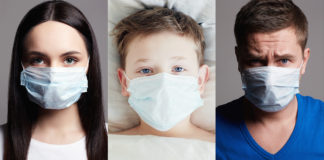
COVID-19: How has it affected young people?
Early reports out of China showed that elderly people and the chronically ill were most vulnerable to Covid-19. Yet an alarming number of young people in the United States have been hospitalized with severe infections. According to the Centers for Disease Control and Prevention, nearly 40% of American Covid-19 patients who were hospitalized were under 55 – and 20% were between ages 20...

COVID-19: What do we do after the relaxation of restrictions?
After the authorities in different countries announced a relaxation of the restrictions, people started to impatiently waiting for that, maybe even with plans to recover last bits of a confiscated spring.

The risks of mRNA vaccines in the COVID-19 era: How we know they don’t alter our DNA
Risks of mRNA vaccines in the COVID-19 era: How we know they don't alter our DNA.

The new coronavirus: what is a balanced reaction?
Who do we listen to? Who is right? Who is balanced? How should we react to the risk of the new coronavirus?

Telemedicine. How to get the most out of it
While an increasing number of family physicians and private health networks offer online consultations, it's helpful to better understand telemedicine, the opportunities it creates and its limitations.