







Are science and religion compatible?
In recent weeks, the results of a Fermilab scientific experiment have caused quite a stir in the scientific community. The experiment, which dealt with some of the fundamental particles of the universe, has the potential to change humanity’s understanding of modern science. As a result, it is also raising questions about what science is, and if it can be wrong.

What did I miss about God in my 20s?
I was twenty when I first became curious about God. I was fortunate to see His presence in the lives of my friends and longed for that same presence in my own life.
Answers hidden in plain sight
I grew up on the border between two different universes, not geographically but spiritually. There, across that fine line, lived more than half of my extended family, with a different worldview.
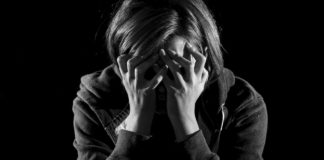
Suicide: What does the Bible have to say about it?
Every human being, without exception, is a potential suicide. If we look at suicide as a process of self-judgment, condemnation, and execution, every human being walks down this path, at least some of the way.

COVID-19 and our low-risk but endangered children
All COVID-19 statistics lead to the same conclusion: the young ones, our children, are at the lowest risk of getting ill or dying from the virus. That’s comforting. But the pandemic does pose a certain danger to them.

What do dreams mean?
Last night I had one of those dreams. You know, the kind you wake up from and remember. Basically, there were a lot of things that were unusual, but people and places that were familiar—common themes for many who remember their dream content.

Misleading bridges, and better prayers
Bridges seem to be the emblem of existential stress for Romanians. In the face of a difficult situation, even Romanian folk wisdom recommends: "Make a pact with the devil until you have crossed the bridge."

A day on the golf course and the unexpected effects of trauma
Douglas Jacobs has a long pastoral and academic career, as well as many hobbies and interests. An accidental witness to an armed incident that changed his perspective on life and death, he shares his surprising experiences and lessons learned.

“All the places to go… How will you know?” | Book review
The book written by John Ortberg, All the Places to Go... How Will You Know? invites us to reflect on the discerning of God’s will for our lives.

In the footsteps of the historical Jesus: benefits and perils
Christianity is either historical or not. It claims that “God acted decisively in history, revealing Himself in external, specific events attested in the Scriptures of the Old and New Testaments.”[1] The most important of these events was the coming of Jesus as the Messiah, the saving Christ.
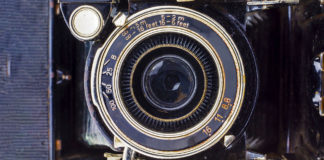
The lens you see me through
Ask any cinematographer what gets them excited, and I guarantee there’s a fair chance they’ll answer with “lenses”. Having spent many years studying film and many more practising it, I can safely say that I now understand why this is—and it’s probably the first response you’d hear from me if you asked me the same question.

Injustice and God: Is He the wrongdoer or the one wronged?
The concept of reward is one that encapsulates a world of joys, satisfactions, pleasant emotions, and accomplishments. It is usually correlated with what we do, what we say, who we are, and so on. We could say that it is an expression of our value in relation to the world. But any reward can be overshadowed by painful feelings when there is a...

How does God answer prayers?
“I will stand at my watch and station myself on the ramparts; I will look to see what he will say to me” (Habakkuk 2:1).

“Teach us to pray!”
Many people know the Lord’s Prayer, having learned it from a parent or grandparent. But few know that it was given as a response to the disciples’ request for Jesus to teach them how to pray.
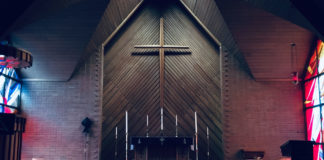
The marks of (un)belief
I believe that doubt is a part of faith, not its opposite. It took me quite a few years to say this without feeling guilty. I needed to have many experiences before I could accept that questions are legitimate and not a sign of spiritual decay.