









31 days of Christmas
I love Christmas, and opening Nathan Brown’s book, Advent: Hearing the Good News in the Story of Jesus’ Birth, reading each page, is like opening a carefully wrapped Christmas present, undoing the gift card attached with ribbon and bow, folding back the bright cellophane wrapping and lifting the lid off a curious little box containing the Gift itself. The gift in this case...
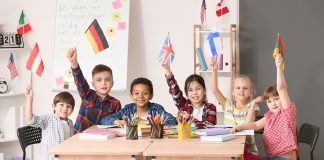
The bilingual child’s advantages
The child’s linguistic appetite must be stimulated from an early age, experts say, highlighting that the benefits the bilingual child reaps extend beyond the linguistic sphere.

A game of life
“Circumstances do not matter when you have a dream.” This seems to be the central message of the stories of those who have succeeded despite unimaginable obstacles. But can dreams still be born in the midst of the struggle for survival, in depravity, and misery? And even if they are born, do they have a chance of survival?

Tricks by which supermarkets get you to buy more
Big chain stores know them and use them to make a profit. What is more, they are willing to pay a lot of money for studies on how to improve them. We're talking about the secrets of optimal product placement.

COVID-19: Let’s not go back to normal
Let’s not go back to the abnormality of before! This is one of the messages which the French hung from their balconies on May 1, when the activities that would usually happen on this national public holiday could not take place. What can we change and what is worth changing after COVID-19?

Children’s finances
Mel Rees, a contemporary Christian author, observed that “money [...] is life [...] in a tangible form.” He reasoned that life is “an expenditure of time and talent,” while money is “the result of the use of time and talent.”
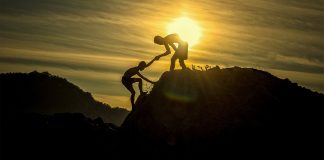
Stories with happy endings | How to keep going despite the obstacles
For some people, suffering is temporary. For others, life itself can be a long series of painful blows. However, experience shows that recovery is possible even when people seem to be at the end of their tether.
COVID-19: What do we do after the relaxation of restrictions?
After the authorities in different countries announced a relaxation of the restrictions, people started to impatiently waiting for that, maybe even with plans to recover last bits of a confiscated spring.

“One Thousand Gifts: A dare to live fully right where you are”
"One Thousand Gifts" describes the beautiful revolt of a soul that does not want to be crippled by what it has lost, but to pierce its own suffering like an arrow springing from the bow of grace, a leitmotif of the whole book.
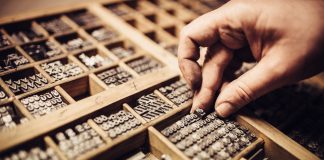
Edson White | Education between teaching and betrayal
In 1867, when Edson White was 18 years old and working at the Adventist type-room in Battle Creek, Michigan, he had a transformative conversation with Mr Bell.

Successfully going back to school
Want to start the new school year on the right foot? Here are some back-to-school tips that will help make that transition from holidays to school a lot easier.

What is the use of general knowledge?
"No man can be called friendless who has God and the companionship of good books." (Elizabeth Barrett Browning, British poet)

Our resilience and the need to be “like little children”
Every day, we are surrounded by the resilience of developing characters and it’s almost impossible not to be touched by their beauty and fragility.

My child, a perfectionist
Responsible, achievement-oriented and highly principled – this is what a brief portrait of a perfectionist child looks like, explaining why, up to a certain point, this is the kind of child most parents dream of.

Amid people and books
Meetings with people and books have shaped the space for a sometimes unequal, sometimes unsatisfactory growth between the human I am and the one I would like to be.