










Parents, children, and online exposure
A photograph of a father holding his sick little boy is simply an example of parental affection, right? But it can provoke a virulent reaction when it's posted on Facebook and the protagonists are naked under the refreshing spray of water in the shower.

Every family has a story | Why you should know yours
“We all feel stronger if we are part of a tapestry. One thread alone is weak, but, woven into something larger, surrounded by other threads, it is more difficult to unravel,” says family therapist Stefan Walters, summarising the benefits of understanding the history of the family we come from.

Parenting school
If, biologically, a person becomes a parent when their child is born—or, civilly, when they adopt a child—from a practical and even moral point of view, a person only becomes a parent when they master a series of crucial skills.

We are not creators, but inspirers and witnesses
It is not we who educate our children, they educate themselves. Unique, complete, amazing. Every child and every childhood is a challenge to discover and respect their individuality. Let's enjoy the revelations they give us and grow ourselves by observing and facilitating their growth.
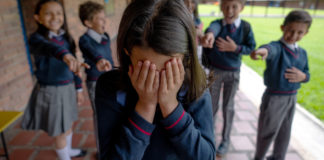
Bullying: Effective strategies to put an end to it
Children who fall prey to bullying cannot save themselves, just as the children who have become accustomed to bullying others will not give up this behaviour without outside intervention. As the phenomenon of bullying spreads, with harmful consequences on children's development, the need to know and apply strategies to combat it is becoming more pressing.

Parenting at 110 decibels
It is said that it takes a village to raise a child. It's folk wisdom acknowledging that the development of a person requires the contribution of the whole community. What value does the community add, especially when the community in question is the scientific one?
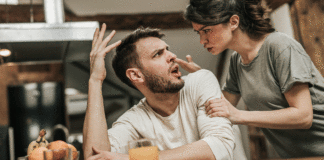
Symptoms of a marriage that’s doomed for divorce
Behind the prelude to a divorce are four major destructive behaviours which can prevent the couple from keeping their enthusiastic promise of staying together ...for better or for worse, till death us do part.
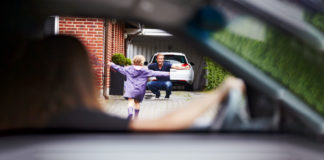
Children and divorce: Mistakes we should avoid
In any family, the child's wellbeing depends entirely on the harmony between their parents. When love is "gone" and Mom and Dad reach the conclusion that they can no longer work as a couple, the children are the first to suffer.

A short guide to the socialisation of children
Even after the World Health Organization replaced the term social distancing with physical distancing, people are still feeling the effects of social distancing.

Saying “I do”
Nine years ago, as my then-fiancé and I were deep in the throes of folding paper flowers, painting glass bottles, and designing and making our own wedding stationery, the question popped up fairly regularly: Why don’t we just elope?

Finding grace in the chaos of parenting
Yelling at children—especially younger kids—appears to be effective. They stop whatever they’re doing (or not meant to be doing) and start obeying you.

Love and the second “Yes!”
They have read that love lasts for two or three years, and although they’ve gathered every possible argument why it wasn't the case for them, they couldn't get the possibility out of their minds altogether.

Leaving home without leaving your parents
The sun was shining on that wonderful July Sunday when you were enjoying your summer vacation. Your parents were with you on your walks in the park and watched you ride your bike without the slightest care in the world. Their smile gave you hints of the purest parental love.
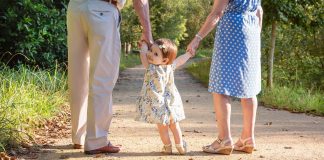
Don’t have grandkids? Get some! | The surprising perks of being a grandparent
Grandparents who play an active role in the lives of their grandchildren enjoy a range of health and well-being benefits—including, according to research, a longer and happier life.

How children are affected by the loss of a parent
It is difficult to say whether there is a preferable age for facing the death of a parent, but having it happen during childhood and adolescence can have devastating effects on physical and mental wellbeing, which can extend even into adulthood.