




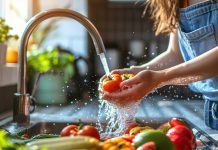





Pollution in our own homes is as dangerous as outdoor pollution
Air pollution is the greatest risk factor for both the environment and human health, according to the World Health Organization.

Real information is dialogue
I request from my colleagues at the ST.N editorial office at least three sources for news and at least two books for the analysis topics: one for and one against. Ideally, the reading of the first two books will give rise to the desire to look for at least two more, so that the differences are clearer. After that, there will be a...
In search of balance
The year 2022 was perhaps richer than previous years in events that affected the whole world.

The imperatives of absence
Contrary to one's initial impression, vigilance is not the main theme of Jesus' parables of "absence and expectation." Absence is central to these stories, because it is absence which enriches them, rather than impoverishing them. Absence is not a shortage, a gap, or a sign of non-existence—it is a catalyst.

The disaster that changed everything without changing anything
Years of prosperity swallowed up in a few months of recession—that's how you could sum up the global economic crisis that began in 2007. At its core, the worst recession since the interwar period turned out to be a mirror into which none of us want to look.
COVID-19: The third signal
I thought to myself: Is there an alarm or is it an end of day signal?

COVID-19: What if we received bad news in a void?
What if there was no good news to give us confidence that we could get through the troubles facing us now? What if there was no good news to assure us that we are cherished, loved and supported, that we are not alone?
The future is best seen with your eyes closed
When I watch chicks hatch in a nest and begin to perform the instinctive behaviours of their species, I think about what we might understand about ourselves, the human species, if we had the perspective of such a privileged observer.
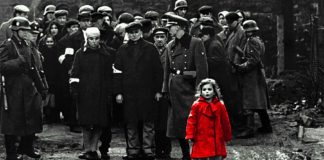
Hell doesn’t last forever
He will wipe every tear from their eyes. There will be no more death, or mourning or crying or pain, for the old order of things has passed away. – Revelation 21:4
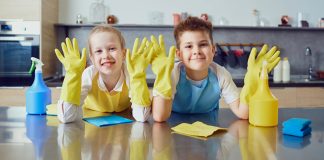
Getting your kids to do chores
You wouldn’t think so, but whether or not children do chores is one predictor of their future happiness and success.
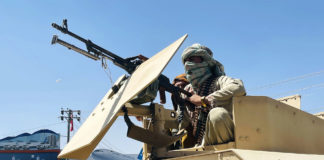
Upheaval in Afghanistan highlights the horrors of conflict
It’s hard to know where to begin when it comes to the situation currently unfolding in Afghanistan.

How to stick with your New Year’s resolutions
The end of a year is both a period of revising and the most favorable time for drafting wishes for the upcoming year. However, the problem arises when we realise that last year’s resolutions have remained unfulfilled in the absence of a concrete plan.
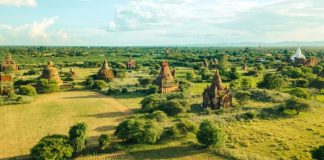
Burma to Brisbane: Esther Moo’s story
Let me paint you a picture of Esther Moo’s life, one of approximately 1959 Karen refugees who migrated to Australia between 2009 and 2010.

The happiest people in the pandemic
“How can we rejoice if we’re at war?” This was one of the questions that arose in my mind after reading a book comprised of testimonies of people who experienced World War II as children. Decades after this nightmare, and stricken by a crisis that casts its shadow over people and nations everywhere, the question remains: can we still be happy in times...

Are you better than you think?
Well, yes, we are, according to Rutger Bregman, author of Human Kind. Early in his book he introduces us to Tom Postmes, professor of social psychology at the University of Groningen who, every year, asks students the same question. “Imagine an aeroplane makes an emergency landing and breaks into three parts. As the cabin fills with smoke, everybody inside realises: We’ve got to...