














Depression is becoming increasingly prevalent among younger age groups
Just two and a half decades ago, depression and other mental health disorders were virtually unknown among children and were often ignored.

From me to us | Friendship and reciprocity
The wisdom of friendship consists in finding those who do not require a price, or ask you to change.

Rewiring the cynical mind
Cynicism might feel smarter and more realistic—but the evidence simply doesn’t back it.

Why you should not be afraid of the midlife crisis
The midlife crisis can cause an unpleasant shudder to those approaching this stage, a stage supposedly marked by anxiety, depression, a reassessment of life, disillusionment and the painful experience of all the internal and external changes that are taking place. But what if, despite the critical changes, midlife is a time of growth and joy rather than a succession of crises?
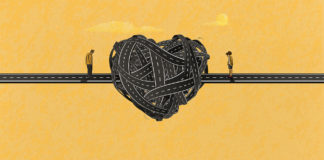
She loves me not | Friendship and the friend zone
When I was a child, I used to take a branch of locust tree and, plucking the leaves one by one, I would say: She loves me… she loves me not… she loves me… she loves me not. I cannot remember who I was thinking of when doing this; too many years have gone by since then. However, the refrain is still very...

“More than a carpenter” | Book review
Josh McDowell, founder of the trans-denominational Christian organisation Campus Crusade for Christ and author of More Than a Carpenter, is known to the public after a decades-long career and having had several volumes published in the field of apologetics.

“If the paper screen is closed, it means I’ve died”
When a closed window shade becomes an SOS sent by those used to living on their own but afraid of dying alone, something has fundamentally changed in a society that not long ago valued human relationships.

For better or for worse | How to love for a lifetime
"Marriage: a book of which the first chapter is written in poetry and the remaining chapters written in prose." (Beverley Nichols)
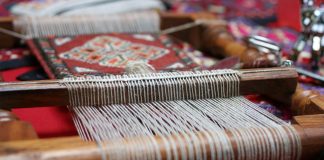
The little freedom fighter
When you look into the innocent eyes of a child, you can hardly imagine that someone could intentionally hurt them. Stories of slavery seem to belong to an evil and distant past. However, few of us wonder who makes our clothes or electronic equipment, under what working conditions, and how much they are paid for it. The answers to these questions will likely...

Bridges between people
I love books as much as I love people, but if I’m honest with myself, sometimes I find a little more comfort in the company of books than in the presence of my fellow humans.

Metropolis
Urban alienation is one of the great themes approached critically by many artists.

Cohabiting before marriage reduces the risk of divorce: true or false?
More and more people are choosing cohabitation over marriage. Many young people believe that cohabiting helps them to make better decisions about marriage by giving the couple a chance to "practise" before making a lifelong commitment. There is also a belief that cohabiting before marriage reduces the likelihood of marital problems or divorce.

Emotional literacy
"What is the point of anger and where do you feel it in your body?" I was in my early 20s and looked at anger with wide eyes and few answers about emotions. I knew too little about the sensations it caused in my body, or how to identify and use them.

The great failure of too high expectations
From the first positive pregnancy test, parents often build up expectations for their baby. And as the little one grows, so do the expectations—emotional, cognitive, moral and academic. While it's only natural that this should be the case, as children need to be set standards, parents' expectations can often turn out to be a double-edged sword.

The quagmire of insecurity
Of all the evidence that younger generations are living in the shadow of insecurity, depression is the most compelling. Anxiety, which accompanies the daily lives of a record number of young people, paints a picture of a generation that experiences an almost constant lack of control.